

Airbus A320
Airbus A320 Specifications: Dimensions, Performance & A320 Family Overview

Jan
The Airbus A320 specifications help explain why the A320 family became a dominant single-aisle aircraft in the aviation industry. This Airbus aircraft platform reshaped airline fleets with digital fly-by-wire flight controls, a side-stick interface, and strong commonality. As a result, A320s remain a top choice for airlines worldwide.
Overview
The Airbus A320 family was developed as a narrow-body aircraft with a low wing and a single aisle. Therefore, it fits short- and medium-haul networks very well. The first A320 first flew on 22 February 1987. Soon after, Airbus inaugurated a new era in airline operations.
However, the A320 first delivery and entry into service came later. The aircraft was first delivered to Air France in April 1988. In other words, 22 February 1987 was the first flight, not the first delivered date.
Since then, the program has evolved through A320ceo (current engine option) and A320neo (new engine option). Moreover, the A320neo family aircraft introduced new engines and drag reductions. As a result, operators gained better fuel burn per seat and lower noise.
Key Airbus A320 Specifications
- Capacity: typically around 150 passengers in many airline layouts; up to 180 in high-density cabins.
- Configuration: narrowbody, twin-engine, single aisle layout with a single-aisle cabin.
- Engines: powered by two wing pylon-mounted turbofan engines.
- A320ceo: CFM56-5B or IAE V2500-A5
- A320neo: CFM LEAP-1A or Pratt & Whitney PW1100G-JM
- Wingtip devices: wingtip devices, including the sharklet (often called “sharklets” in service), reduce drag and support better fuel efficiency.
- Flight systems: digital fly-by-wire with flight envelope protections, supporting consistent handling and aviation safety.
- Performance focus: aerodynamic refinements, incremental weight reduction, and modern engines improve operating economics.
Design and Technology
The A320 introduced a modern flight deck philosophy for the single aisle market. For example, the side-stick and fly-by-wire logic changed how crews manage energy and flight path. Additionally, the ECAM-driven workflow supports procedural clarity and aviation safety.
The A320 cabin is also highly adaptable. Therefore, airlines can tailor seat maps, galleys, and monuments to route demand. Air France, Lufthansa, easyJet, Delta Air Lines, American Airlines, and China Southern have all used A320 family aircraft in different cabin strategies.
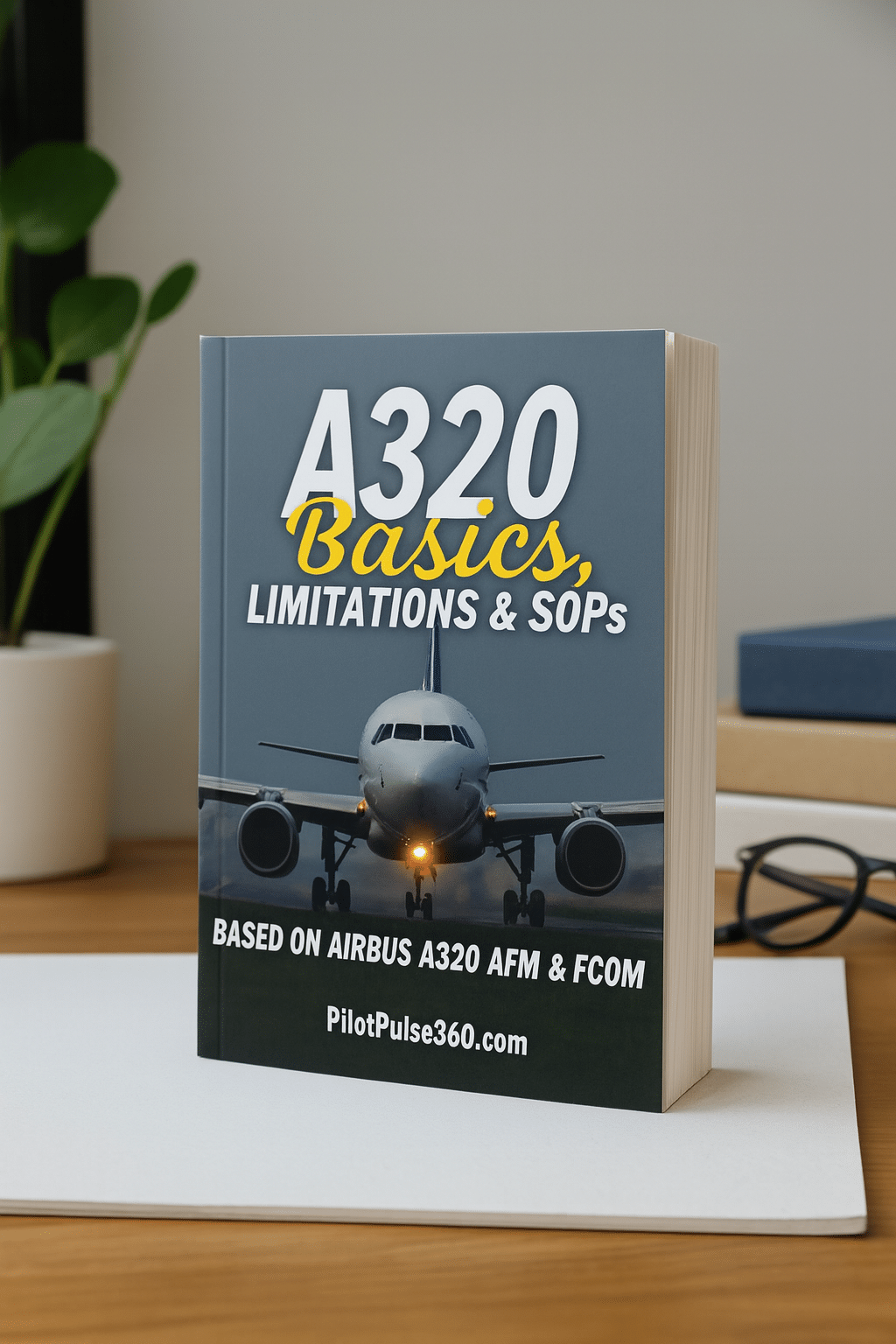
A320 Basics, Limitations & SOPs
Complete A320 study guide by an Airbus pilot & instructor.Clear systems, logic & SOPs.
PDF • 365 pages • Lifetime updates
Variants and Production
The A320 family of aircraft includes the A318, A319, A320, and A321. In addition, the re-engined A320neo family aircraft includes A319neo, A320neo, and A321neo. This version of the A320 lineup covers a wide range of capacity and mission needs.
A320 family production has been supported by multiple Airbus final assembly lines. For instance, aircraft are assembled in Toulouse, Hamburg, Tianjin, and Mobile, Alabama. Consequently, aircraft have been delivered at high rates to meet global demand.
Why Airlines Choose the A320
- Fuel efficiency: the A320neo delivers better fuel performance through modern engines and aerodynamic upgrades.
- Operational flexibility: the single-aisle cabin supports both dense leisure routes and premium business markets.
- Commonality: shared cockpit philosophy across A320 family aircraft reduces training and maintenance costs.
- Choice for airlines: a wide operator base and global support make fleet growth easier.
Context in Aviation
As a commercial aircraft programme, the A320 family influenced single-aisle market dynamics. Meanwhile, competitors developed new variants to match efficiency and cabin flexibility. In many delivery tallies, the A320 family has also surpassed the Boeing 737. That market shift shaped airline fleet planning across the aviation industry.
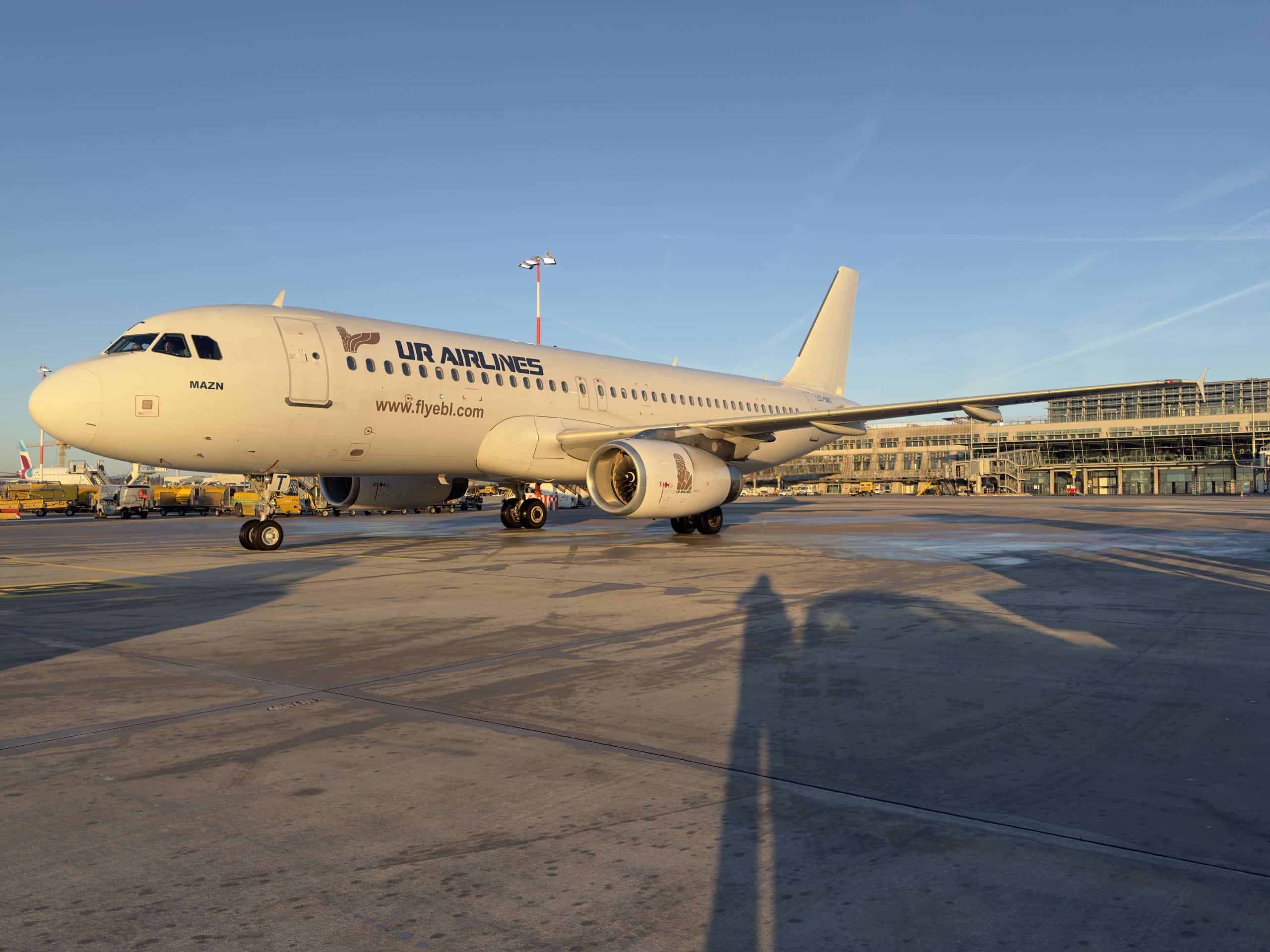
Introduction to the Airbus A320 Family
The Airbus A320 family was designed to redefine narrow-body aircraft economics. Therefore, it focuses on efficiency, commonality, and flexible aircraft specifications. From the first airliner concept studies to today’s fleets, the A320 family remains central to short-haul aviation.
Overview of the A320 Family
A320 family aircraft share a common fuselage cross-section and flight deck philosophy. As a result, pilots transition more easily across A320s in mixed fleets. Similarly, operators benefit from shared maintenance practices and spares pools.
First Flight, Service Entry, and Historical Significance
The first A320 first flew on 22 February 1987. However, the service milestone came with the A320 first delivery to Air France in April 1988. This step marked the aircraft’s entry into airline service.
The A320 was the first airliner in its class to combine full digital fly-by-wire with flight envelope protections. Therefore, it set a new baseline for crew handling consistency and aviation safety.
Airbus A320 Specifications
From an operator viewpoint, aircraft specifications are about payload, range, and cost per seat. Therefore, the A320 balances cabin capacity with efficient mission performance. The A320ceo established strong economics, and then the A320neo raised efficiency further.
Dimensions and Weight
The A320’s narrowbody fuselage supports flexible seating and containerized cargo options on some variants. Additionally, optional equipment and cabin choices influence weights and performance margins. Meanwhile, incremental weight reduction measures across production help preserve payload-range capability.
Performance Metrics
Performance is driven by fuel burn, range, and climb capability. Consequently, the A320neo is often selected for better fuel and lower noise. Also, later aerodynamic tweaks and sharklet installations support efficiency on longer sectors.
Engine Specifications
Engine choices define the CEO and NEO split. Therefore, it helps to group them by generation.
- A320ceo (current engine option): CFM56-5B or IAE V2500-A5
- A320neo (new engine option): CFM LEAP-1A or Pratt & Whitney PW1100G-JM
| Variant | Engine options |
|---|---|
| A320ceo (CEO) | CFM56-5B or IAE V2500-A5 |
| A320neo (NEO) | CFM LEAP-1A or Pratt & Whitney PW1100G-JM |
A320-200 Model Insights
The A320-200 became the mainstream version of the A320 in many fleets. Therefore, it is often used as the reference point for A320 aircraft specifications. It is operated in both A320ceo and A320neo forms.
Design and Capacity
The A320-200 emphasizes per-seat economics while keeping cabin comfort competitive. For example, airlines can set layouts near 150 passengers for mixed-service routes. Alternatively, they can push toward 180 seats for high-density sectors.
A320neo Deliveries and Timeline Note
The A320neo entered airline service in 2016. As a result, many A320neo family aircraft were delivered in 2016 as production ramped up. Since then, the neo has become a core fleet renewal tool for many carriers.
Airline Usage of the A320 Family
Airlines use A320 family aircraft across dense regional hops and longer intra-continental segments. Moreover, fleet commonality supports fast growth with less retraining. That is why the A320 remains a preferred choice for airlines building scale.
Examples from Global Operators
Air France was the launch operator after the aircraft was first delivered in April 1988. Meanwhile, Lufthansa built one of the largest A320-family fleets in Europe. Also, easyJet expanded its single-aisle model around A320s. In North America, Delta Air Lines and American Airlines have operated large A320-family fleets as well. China Southern has also used A320 family aircraft on wide domestic networks.
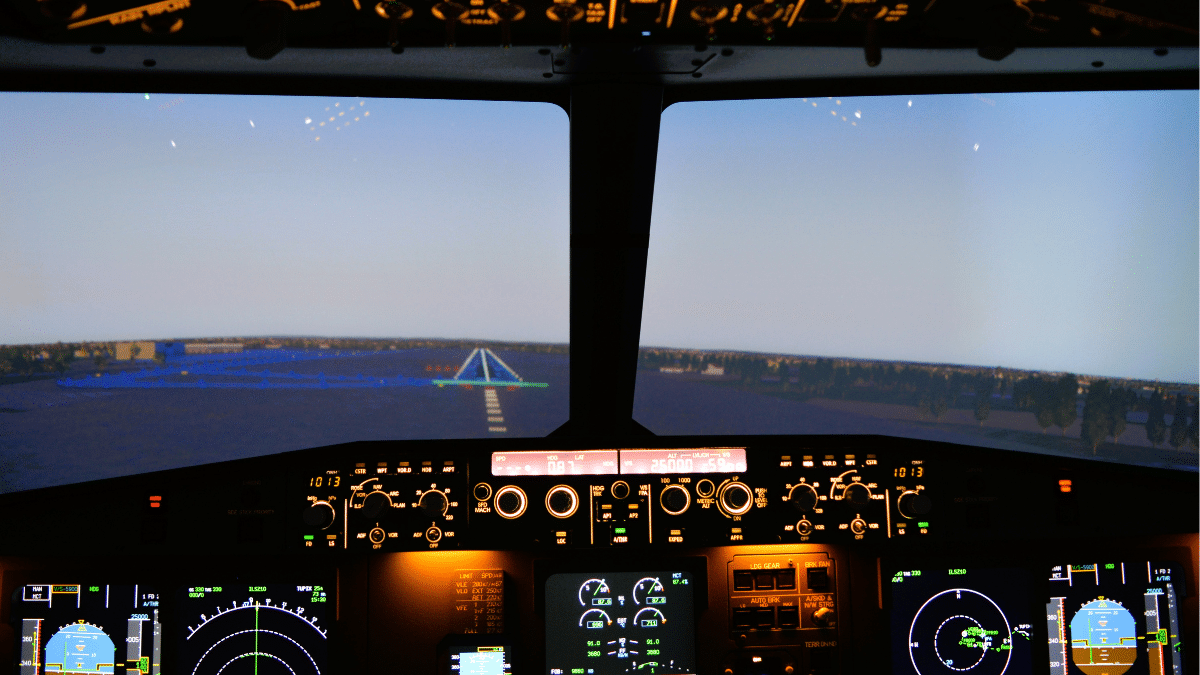
Airbus A320ceo vs A320neo
The A320ceo and A320neo share the same basic airframe concept and cockpit philosophy. However, the A320neo adds new engines and aerodynamic refinements for better fuel performance. Therefore, many airlines operate both generations side by side.
Environmental Impact and Fuel Efficiency
Efficiency gains in the A320neo come mainly from engine technology and drag reduction. In addition, sharklet-equipped aircraft benefit from lower induced drag. Consequently, airlines can cut fuel burn per seat while maintaining network flexibility.
Operational Takeaway
When you read A320 aircraft specifications, focus on what changes the mission result. For example, engine type, cabin density, and aerodynamic options drive trip costs. Therefore, understanding CEO versus NEO differences helps interpret real-world performance claims.
Frequently Asked Questions About the Airbus A320
What are the main specifications of the Airbus A320?
The Airbus A320 typically seats around 150 passengers in a two-class layout, with a maximum of about 180 in high-density configurations. It is a twin-engine, single-aisle aircraft equipped with digital fly-by-wire controls and wingtip devices such as sharklets for improved fuel efficiency.
When did the Airbus A320 first fly and enter service?
The Airbus A320 first flew on 22 February 1987. It entered airline service after its first delivery to Air France in April 1988, marking the beginning of a new era in single-aisle aircraft design.
What is the difference between the Airbus A320ceo and A320neo?
The A320ceo (current engine option) uses CFM56-5B or IAE V2500 engines, while the A320neo (new engine option) features newer CFM LEAP-1A or Pratt & Whitney PW1100G-JM engines. The A320neo offers improved fuel efficiency, lower noise, and reduced emissions.
How far can an Airbus A320 fly?
The Airbus A320 typically has a range of about 3,300 nautical miles, depending on configuration, payload, and engine type. A320neo variants generally offer slightly improved range due to better fuel efficiency.
How many passengers can an Airbus A320 carry?
An Airbus A320 usually carries around 140 to 150 passengers in standard airline layouts. In high-density configurations, the aircraft can seat up to approximately 180 passengers.
Why do airlines prefer the Airbus A320?
Airlines choose the Airbus A320 for its fuel efficiency, cockpit commonality across the A320 family, operational flexibility, and strong global support network. These factors help reduce training, maintenance, and operating costs.
Is the Airbus A320 safe?
Yes, the Airbus A320 is considered a very safe aircraft. It was the first commercial airliner to introduce full digital fly-by-wire flight controls with flight envelope protections, enhancing handling consistency and aviation safety.
How does the Airbus A320 compare to the Boeing 737?
The Airbus A320 and Boeing 737 compete in the same single-aisle market. The A320 is known for its wider cabin and fly-by-wire controls, while the 737 emphasizes traditional control philosophy. Both aircraft families are widely used by airlines worldwide.
What engines are used on the Airbus A320?
A320ceo aircraft are powered by CFM56-5B or IAE V2500-A5 engines. A320neo aircraft use either the CFM LEAP-1A or Pratt & Whitney PW1100G-JM geared turbofan engines.
What is the Airbus A320 family?
The Airbus A320 family includes the A318, A319, A320, and A321, along with their re-engined neo variants. These aircraft share a common cockpit and systems philosophy, allowing easy pilot transitions and efficient fleet operations.