

Airbus A320
The Complete History of the Airbus A320: Development, First Flight & Evolution

Feb
The Airbus A320 is a narrow-body, twin-engine commercial aircraft developed by Airbus in the 1980s to compete with the Boeing 737. It first flew on February 22, 1987 and entered service in 1988, becoming the first airliner to introduce full digital fly-by-wire flight controls.
The history of the Airbus A320 is the story of how Airbus challenged Boeing’s dominance in the single-aisle market and permanently reshaped commercial aviation. Since its launch in 1984, the A320 family has grown into one of the most successful aircraft programs in aviation history, accumulating over 19,000 orders worldwide.
Airbus A320 Key Facts
- Aircraft Type: Narrow-body, twin-engine commercial jet
- Manufacturer: Airbus
- Program Launch: March 1984
- First Flight: February 22, 1987
- Entry Into Service: April 18, 1988 (Air France)
- Flight Control System: Full Digital Fly-by-Wire
- Main Variants: A318, A319, A320, A321
- Neo Program Launch: 2010
- Total Orders: 19,000+ aircraft
- Primary Competitor: Boeing 737
Why Was the Airbus A320 Developed?
The Airbus A320 was developed to compete directly with the Boeing 737 and establish Airbus as a leader in the narrow-body market. The goal was to create a more fuel-efficient aircraft with advanced flight controls, lower operating costs, and cockpit commonality across multiple variants.
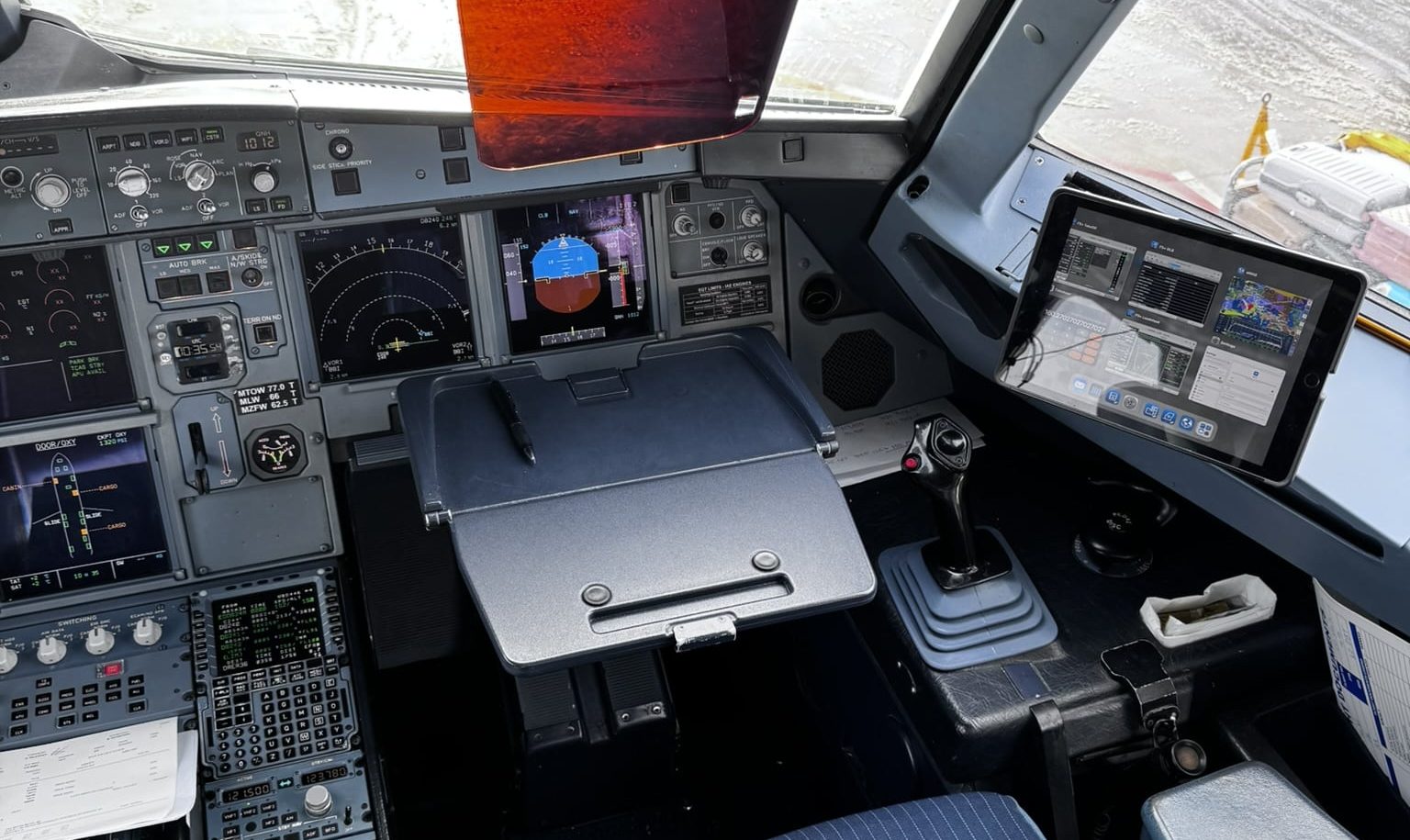
During the late 1970s and early 1980s, Boeing dominated short- and medium-haul routes. Airbus responded with a technologically advanced design that would modernize airline fleets and reduce long-term operating expenses.
- Improved fuel efficiency
- Reduced pilot workload
- Lower airline training costs
- Common cockpit design across the family
The A320 program officially launched in March 1984.
When Was the Airbus A320 Introduced?
The Airbus A320 was introduced on April 18, 1988, when Air France placed the aircraft into commercial service. Its first flight occurred earlier on February 22, 1987, marking the beginning of a new era in digital flight control technology.
The introduction of the A320 represented a major shift in aircraft design philosophy, bringing advanced computer-based systems into everyday airline operations.
The Fly-By-Wire Revolution
One of the most important milestones in Airbus A320 development history was the introduction of full digital fly-by-wire (FBW) flight controls.
Instead of mechanical cables and pulleys linking the cockpit to control surfaces, pilot inputs were transmitted electronically to flight control computers, which interpreted and optimized commands.
- Side-stick controllers replacing traditional yokes
- Flight envelope protection preventing excessive maneuvers
- Computer-managed flight control laws
Why Was the Airbus A320 Revolutionary?
The Airbus A320 was revolutionary because it introduced full digital fly-by-wire controls, side-stick controllers, and flight envelope protection to commercial aviation. These innovations improved safety, reduced pilot workload, and established a new technological standard for modern airliners.
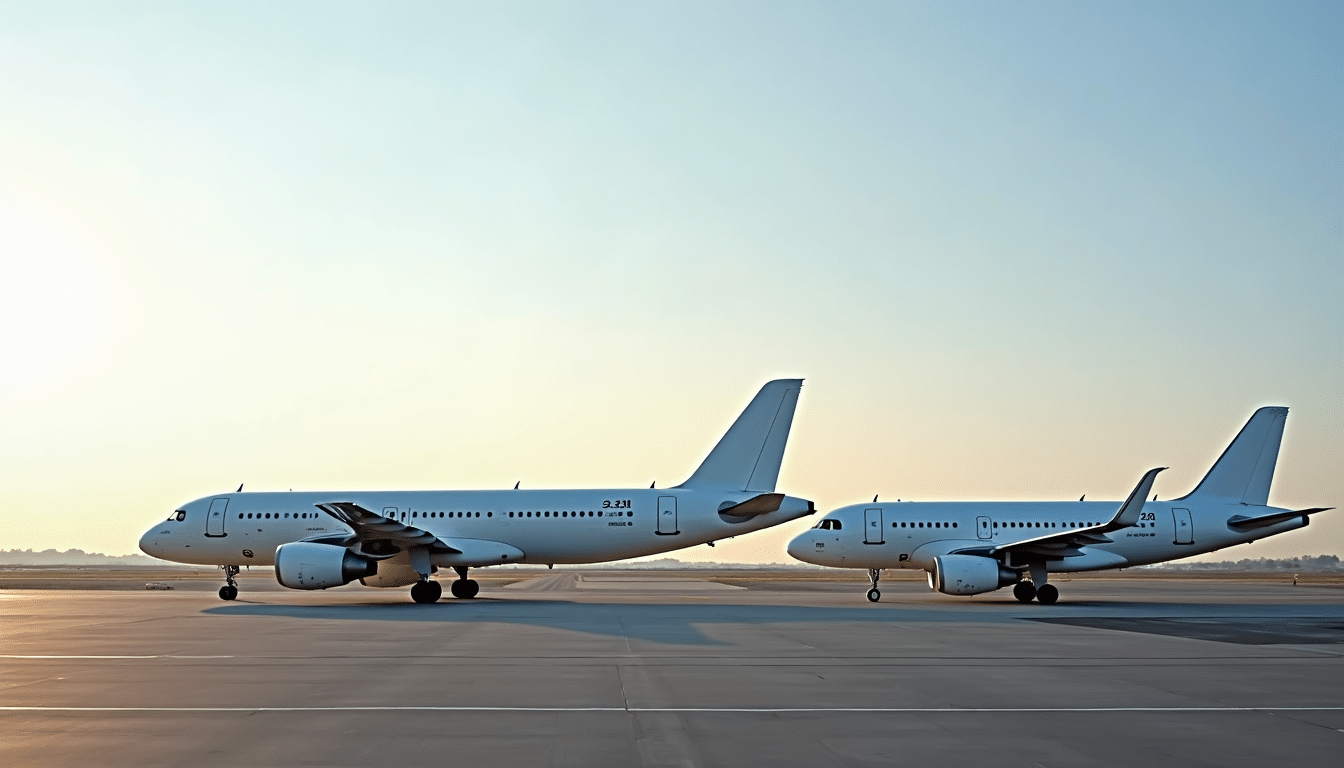
The A320’s flight control architecture later became the foundation for subsequent Airbus aircraft.
Airbus A320 Development Timeline
For readers searching for a clear Airbus A320 timeline, the key milestones are outlined below:
- 1984: Airbus officially launches the A320 program.
- 1987: First flight on February 22.
- 1988: Entry into service with Air France.
- 1993: A321 enters service.
- 1996: A319 enters service.
- 2003: A318 enters service.
- 2010: A320neo program launched.
- 2016: First A320neo delivered.
- 2019: A320 family surpasses Boeing 737 in total orders.
- 2024: A321XLR certified.
This continuous evolution allowed the A320 family to remain competitive for more than four decades.
Evolution of the Airbus A320 Family
The Airbus A320 family expanded into four primary passenger variants:
- A318 – Shortest variant
- A319 – Reduced capacity version
- A320 – Baseline model
- A321 – Extended fuselage with higher passenger capacity
A major advantage of the A320 family is cockpit commonality. Pilots can transition between models with minimal additional training, significantly reducing airline costs.
Airbus A320 Production History
Airbus expanded global manufacturing to meet demand. Final assembly lines are located in:
- Toulouse, France
- Hamburg, Germany
- Tianjin, China (since 2009)
- Mobile, Alabama (since 2016)
This distributed production model allows Airbus to scale output and serve regional markets efficiently.
Airbus A320 vs Boeing 737: A Historical Rivalry
The Airbus A320 vs Boeing 737 history represents one of aviation’s most significant competitive rivalries.
While Boeing introduced the 737 in 1967, Airbus gained market share through technological innovation and fuel efficiency improvements. In October 2019, the A320 family surpassed the Boeing 737 in total lifetime orders.
Airbus A320 vs Boeing 737: Key Differences
| Feature | Airbus A320 | Boeing 737 |
|---|---|---|
| First Flight | 1987 | 1967 |
| Flight Controls | Full Digital Fly-by-Wire | Conventional / Hybrid |
| Cockpit Control | Side-stick | Yoke |
| Cabin Width | Wider cabin | Narrower cabin |
The A320neo: A New Generation
The A320neo (New Engine Option) program launched in 2010 to improve fuel efficiency and reduce emissions.
- 15–20% better fuel efficiency
- Reduced CO2 emissions
- Lower noise footprint
- Sharklet wingtip devices
The neo program revitalized the A320 family and secured thousands of additional orders.
How Many Airbus A320 Aircraft Have Been Built?
More than 19,000 Airbus A320 family aircraft have been ordered since the program launched in 1984. The aircraft remains one of the best-selling commercial jets in aviation history.
How the Airbus A320 Changed Aviation
The A320 transformed commercial aviation by standardizing digital flight control systems, improving safety through flight envelope protections, and reducing airline training costs through cockpit commonality.
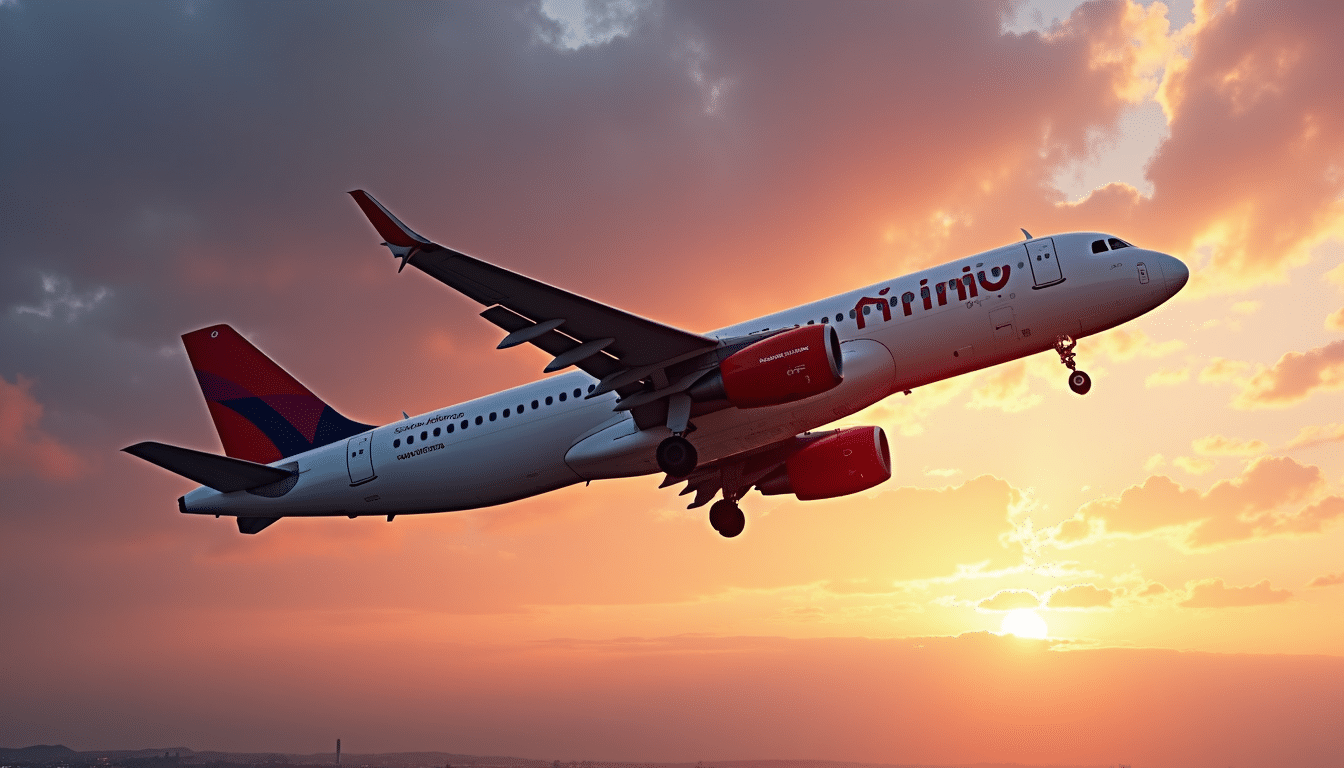
In summary, the Airbus A320 transformed commercial aviation through digital fly-by-wire technology, cockpit commonality, and fuel-efficient evolution into the A320neo family. Its influence continues to shape modern airline operations worldwide.
Frequently Asked Questions About the Airbus A320
When was the Airbus A320 first introduced?
The Airbus A320 first flew on February 22, 1987 and entered commercial service on April 18, 1988 with Air France.
Why was the Airbus A320 developed?
The Airbus A320 was developed to compete directly with the Boeing 737 and strengthen Airbus’ position in the narrow-body aircraft market.
What made the Airbus A320 revolutionary?
The Airbus A320 introduced full digital fly-by-wire controls, side-stick controllers, and flight envelope protection to commercial aviation.
How many Airbus A320 aircraft have been built?
More than 19,000 Airbus A320 family aircraft have been ordered, making it one of the most successful aircraft programs in aviation history.