

How to Become a Pilot
How to Become a Pilot: Career Path & Requirements (2026)
Feb
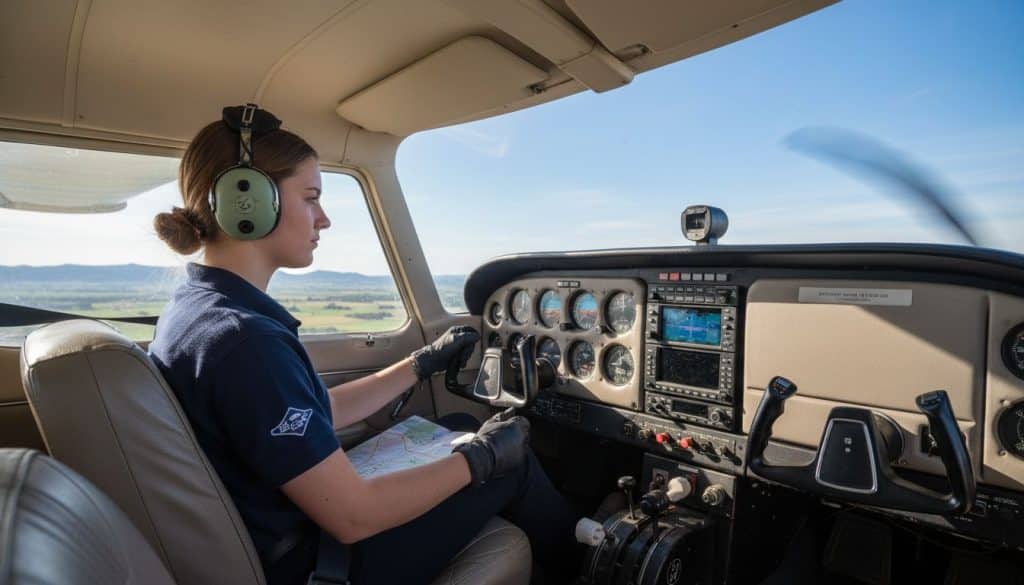
If you want to learn how to become a pilot, this guide explains every step — from meeting eligibility requirements to completing flight training and qualifying for airline operations. Whether you are interested in flying recreationally or pursuing a professional aviation career, understanding the full pilot career path is essential.
How to Become a Pilot (Step-by-Step Guide)
To become a pilot in the United States, you must complete flight training, earn required FAA certifications, and build flight hours before qualifying for airline employment. Most pilots follow a structured training path that takes 2 to 4 years.
- Obtain a student pilot certificate.
- Earn a private pilot certificate.
- Complete instrument rating training.
- Become a commercial pilot.
- Build at least 1,500 flight hours.
- Achieve the Airline Transport Pilot (ATP) certificate.
- Complete airline training and earn a type rating.
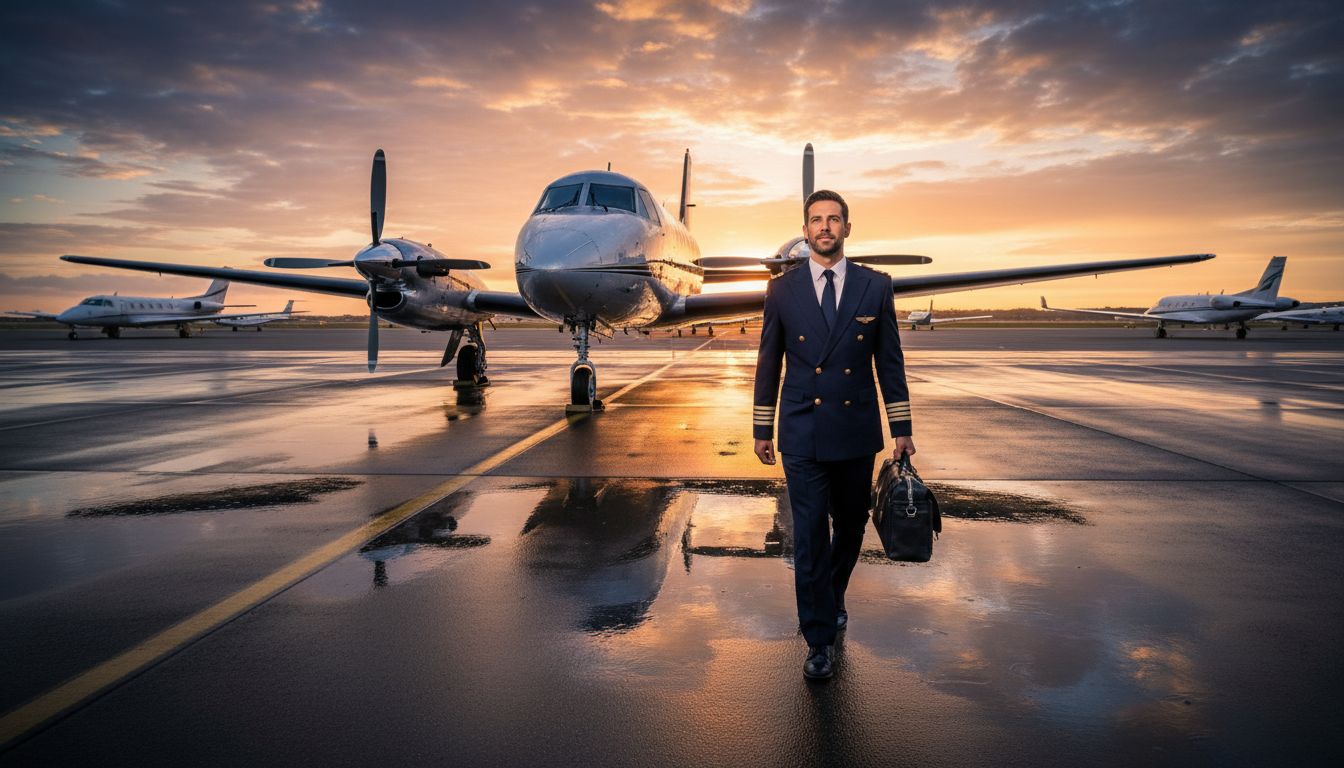
Airline pilot requirements also include holding a valid first class medical certificate issued by an FAA-approved aviation medical examiner.
What Are the Requirements to Become a Pilot?
Before starting flight training, you must meet the basic requirements set by the Federal Aviation Administration (FAA).
- Be at least 17 years old for a private pilot certificate
- Be at least 18 years old to become a commercial pilot
- Obtain a student pilot certificate
- Hold a valid FAA medical certificate
- Speak, read, and understand English
FAA Medical Certification Levels
- Third Class – Required for private pilots
- Second Class – Required to become a commercial pilot
- First Class Medical Certificate – Required for airline pilots
Medical exams must be completed by an FAA-authorized aviation medical examiner.
What Types of Pilot Licenses and Certificates Are There?
Pilots progress through several certifications during their training program.
- Student Pilot Certificate
- Private Pilot Certificate
- Instrument Rating
- Commercial Pilot License (CPL)
- Multi-Engine Rating
- Airline Transport Pilot (ATP)
- Type Rating (for specific aircraft)
Each certification builds hours and experience while increasing responsibility.
What Kind of Training Is Required to Become a Pilot?
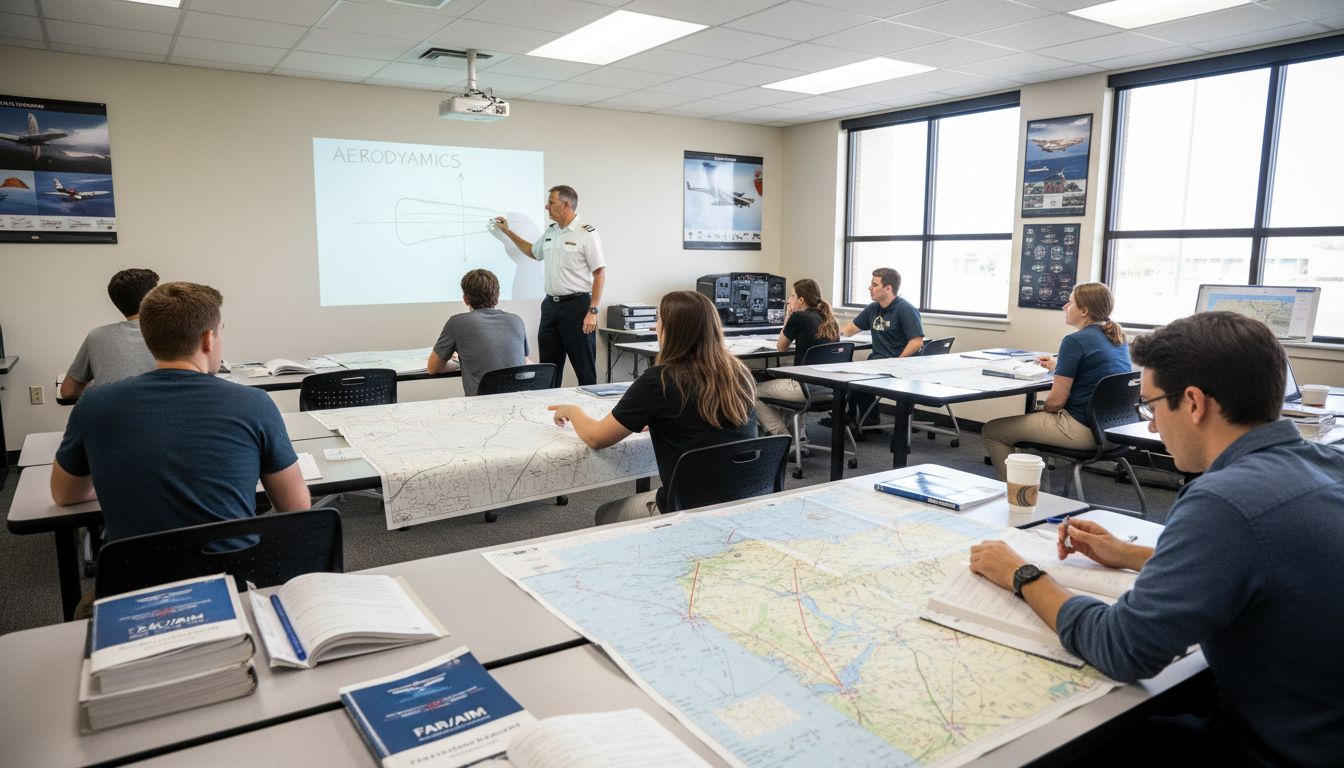
Flight training includes both ground school and practical flight instruction.
Ground School
Ground school covers aerodynamics, regulations, navigation, weather systems, and aircraft systems.
Flight Training
Students complete flight and ground training at an FAA-approved flight training center under Part 141 or Part 61 regulations. During training, students fly solo after demonstrating proficiency.
Part 141 vs Part 61 Training
- Part 141: Structured program with FAA-approved curriculum
- Part 61: Flexible training pace with customizable scheduling
Step-by-Step: How to Become a Pilot
Most pilots follow this direct path:
- Obtain a student pilot certificate.
- Earn a private pilot certificate.
- Add an instrument rating.
- Become a commercial pilot.
- Add a multi-engine rating.
- Build 1,500 hours of flight time.
- Achieve the Airline Transport Pilot (ATP) certificate.
- Complete airline training and earn a type rating.
How Long Does It Take to Become a Pilot?
The timeline depends on your training pace and program structure.
- Private Pilot: 3–6 months full-time
- Commercial Pilot: 12–18 months total training
- ATP minimums: 2–4 years overall
Accelerated ATP flight school programs may shorten this timeline.
How Much Does It Cost to Become a Pilot?
Total cost depends on location and program structure.
- Private Pilot License: $12,000–$18,000
- Instrument Rating: $8,000–$12,000
- Commercial License: $25,000–$35,000
- Total to ATP: $80,000–$110,000
Some airlines provide tuition assistance or cadet pathway financing options.
Do You Need a College Degree to Become a Pilot?
A college degree is not required by the FAA. However, many major airlines prefer applicants with a bachelor’s degree as part of their career education background.
Do Pilots Make a Lot of Money?
Pilot salary increases significantly throughout their career as seniority and aircraft type change.
- Flight Instructor: $40,000–$65,000
- Regional First Officer: $70,000–$100,000
- Major Airline Captain: $250,000–$400,000+
What Career Opportunities Are Available for Pilots?
Career opportunities extend beyond airlines and include:
- Charter aviation
- Cargo operations
- Corporate aviation
- Flight instruction
- Military aviation
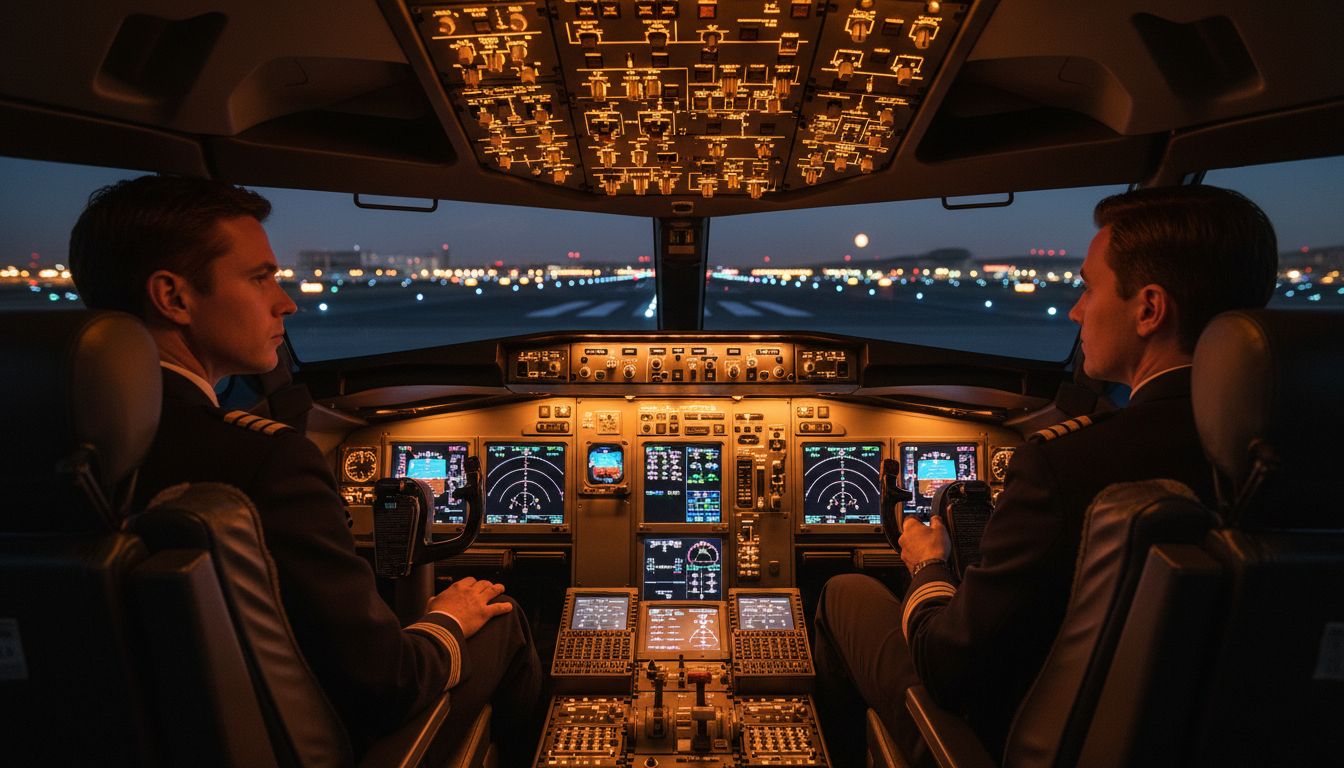
Professional organizations such as the Organization of Black Aerospace Professionals provide mentorship and scholarship support for aspiring pilots.
Common Questions About Becoming a Pilot
Can I start flying after age 30?
Yes. Many pilots begin flight training later in life and successfully transition into airline careers.
What aircraft will I train in?
Training typically begins in small fixed-wing aircraft before progressing to multi-engine aircraft and jets.
What are airline pilot requirements?
Airline pilots must hold an ATP certificate, 1,500 flight hours, and a valid first class medical certificate.
Final Thoughts
Learning how to become a pilot requires commitment to structured flight training, meeting FAA training requirements, and building hours and experience. With strong airline hiring demand and expanding career opportunities, aviation remains one of the most rewarding professional paths available today.