

Airbus A320, Ice & Rain Protection System
Aircraft Anti-Ice System Explained: Airbus A320 Guide

Aug
An aircraft anti-ice system prevents ice from forming on critical parts of an airplane. On the Airbus A320, hot engine bleed air protects the engine intakes and selected wing slats, while electrical heating protects the flight-data probes, cockpit windows and other vulnerable components.
Ice protection is not designed to keep every visible part of the aircraft completely free of ice. Instead, it protects the surfaces and sensors whose contamination could seriously affect engine operation, aerodynamic performance, flight-data accuracy or cockpit visibility.
This guide explains how aircraft anti-ice systems work, the difference between anti-icing and deicing, and how the Airbus A320 protects itself during flight in icing conditions.
What Is an Aircraft Anti-Ice System?
An aircraft anti-ice system is equipment designed to prevent ice from forming on critical aircraft components. Depending on the aircraft, it may use hot air, electrical heating, chemical fluid or a combination of these methods.
Large jet aircraft commonly use hot compressed air from their engines to heat exposed aerodynamic surfaces and engine inlets. Electrically powered heaters are normally used for smaller components such as pitot probes, angle-of-attack sensors and cockpit windows.
The objective is not necessarily to heat the entire airplane. Doing so would require considerable energy, increase system weight and reduce efficiency. Aircraft manufacturers instead identify the areas where ice would create an unacceptable operational risk and provide targeted protection.
On the Airbus A320, the main onboard ice-protection functions include:
- Engine intake anti-icing
- Wing leading-edge anti-icing
- Pitot-probe heating
- Static-port heating
- Angle-of-attack sensor heating
- Total-air-temperature probe heating
- Cockpit window heating
- Heated drain masts
- Windshield wipers and associated rain-protection provisions
Aircraft Anti-Ice vs Deice: What Is the Difference?
Although the terms are frequently used interchangeably, anti-icing and deicing describe different functions.
Anti-icing
Anti-icing is intended to prevent or substantially limit the formation of ice. A heated engine intake, heated pitot probe or heated wing leading edge is therefore normally described as an anti-ice system.
Deicing
Deicing removes contamination that has already formed. Examples include inflatable pneumatic boots that periodically break accumulated ice away from a wing, or heated deicing fluid sprayed onto an aircraft before departure.
Some thermal systems can also remove limited ice that has already accumulated. Operationally, however, pilots should not treat an anti-ice system as permission to wait for a significant buildup before using it. The applicable aircraft procedures determine when each system must be selected.

A320 Basics, Limitations & SOPs
Complete A320 study guide by an Airbus pilot & instructor. Clear systems, logic & SOPs.
PDF • 365 pages • Lifetime updates
Why Is Aircraft Icing Dangerous?
Airframe ice is dangerous primarily because it changes the shape and surface condition of an aerodynamic component. Even a relatively small amount of rough contamination near a wing’s leading edge can disturb airflow and reduce the wing’s ability to generate lift efficiently.

Ice accumulation can cause:
- Increased aerodynamic drag
- Reduced lift
- A higher stall speed
- Changed stall characteristics
- Reduced climb capability
- Higher fuel consumption
- Degraded controllability
- Vibration or abnormal airflow
- Blocked or unreliable flight-data sensors
- Engine airflow disruption or damage
The added weight of ice is undesirable, but on most airplanes the aerodynamic distortion and surface roughness are the more immediate concerns. Ice does not need to be exceptionally heavy to create a serious performance penalty.
Engine icing
Ice around a jet engine intake can disturb the airflow entering the engine. Ice can also detach and travel into the engine, potentially damaging compressor components or contributing to abnormal engine operation.
Probe icing
A blocked pitot probe or contaminated angle-of-attack sensor can produce incorrect flight information. That is why flight-data probes receive dedicated electrical heating rather than relying on wing or engine anti-ice.
When Do Aircraft Icing Conditions Occur?
Aircraft icing generally requires two elements:
- A sufficiently low air temperature
- Visible moisture or another source of supercooled liquid water
Visible moisture includes cloud, fog with sufficiently low visibility, rain, snow, sleet and other forms of precipitation. Exact operational definitions and temperature thresholds are aircraft- and operator-specific, so pilots use the limitations and procedures published for their aircraft.
Icing is not limited to visibly wintry weather. Liquid droplets can remain unfrozen below 0°C and freeze rapidly when they strike an aircraft surface. These are known as supercooled water droplets.
Rime ice
Rime ice normally forms when smaller supercooled droplets freeze rapidly on impact. It often appears rough, opaque and milky white.
Clear ice
Clear ice tends to form when larger droplets spread across a surface before freezing. It may be smooth, dense and difficult to see, particularly from the cockpit.
Mixed ice
Mixed ice contains characteristics of both clear and rime ice. Its appearance and shape depend on droplet size, temperature, airflow and the rate of freezing.
Supercooled large droplets
Supercooled large droplets can flow behind the normally protected leading-edge area before freezing. This creates a particularly demanding icing environment because accretion may extend beyond the surfaces covered by the primary ice-protection system.
Types of Aircraft Anti-Ice Systems
Aircraft use several methods to control ice. The appropriate system depends on the aircraft’s size, power sources, certification and intended operating environment.
Bleed-air anti-ice systems
A bleed-air anti-ice system uses hot compressed air extracted from a turbine engine. The air is routed through valves and ducts to the surface requiring protection.
Bleed-air heating is widely used on transport-category jet aircraft because the engines can supply enough thermal energy to protect areas such as engine intake lips and selected wing leading edges.
Electric anti-ice systems
Electrical heating elements convert electrical energy into heat. They are particularly suitable for probes, sensors, cockpit windows, propellers and smaller aerodynamic surfaces.
Newer aircraft designs may use electrical heating more extensively as manufacturers move toward architectures that depend less heavily on pneumatic bleed air.
Pneumatic deicing boots
Pneumatic boots are flexible rubber sections installed on the leading edges of certain airplanes. They inflate in a controlled cycle and break away accumulated ice.
They are deicing systems rather than continuous thermal anti-ice systems. They are common on some turboprops and smaller airplanes but are not used on the Airbus A320.
Fluid ice-protection systems
Some aircraft pump freezing-point-depressant fluid through small holes in a porous leading-edge surface. The fluid spreads across the surface and helps prevent ice from adhering.
This type of onboard fluid system is commonly known by the TKS name. The Airbus A320 does not use a TKS wing-protection system.
How the Airbus A320 Ice Protection System Works
The Airbus A320 combines pneumatic thermal anti-icing with electrical heating.
Hot bleed air protects:
- The engine intake lips
- The three outboard slats on each wing
Electrical power protects:
- Pitot probes
- Static ports
- Angle-of-attack sensors
- Total-air-temperature probes
- Cockpit windshields and windows
- Drain masts
This division is practical. Large surfaces require substantial heating energy, making engine bleed air suitable for the wing and engine intakes. Smaller sensors and windows can be protected precisely with electric heating.
How Does the A320 Engine Anti-Ice System Work?
The A320 engine anti-ice system uses hot bleed air to heat the front lip of each engine nacelle. This is the rounded intake area exposed directly to cold airflow, cloud droplets and precipitation.
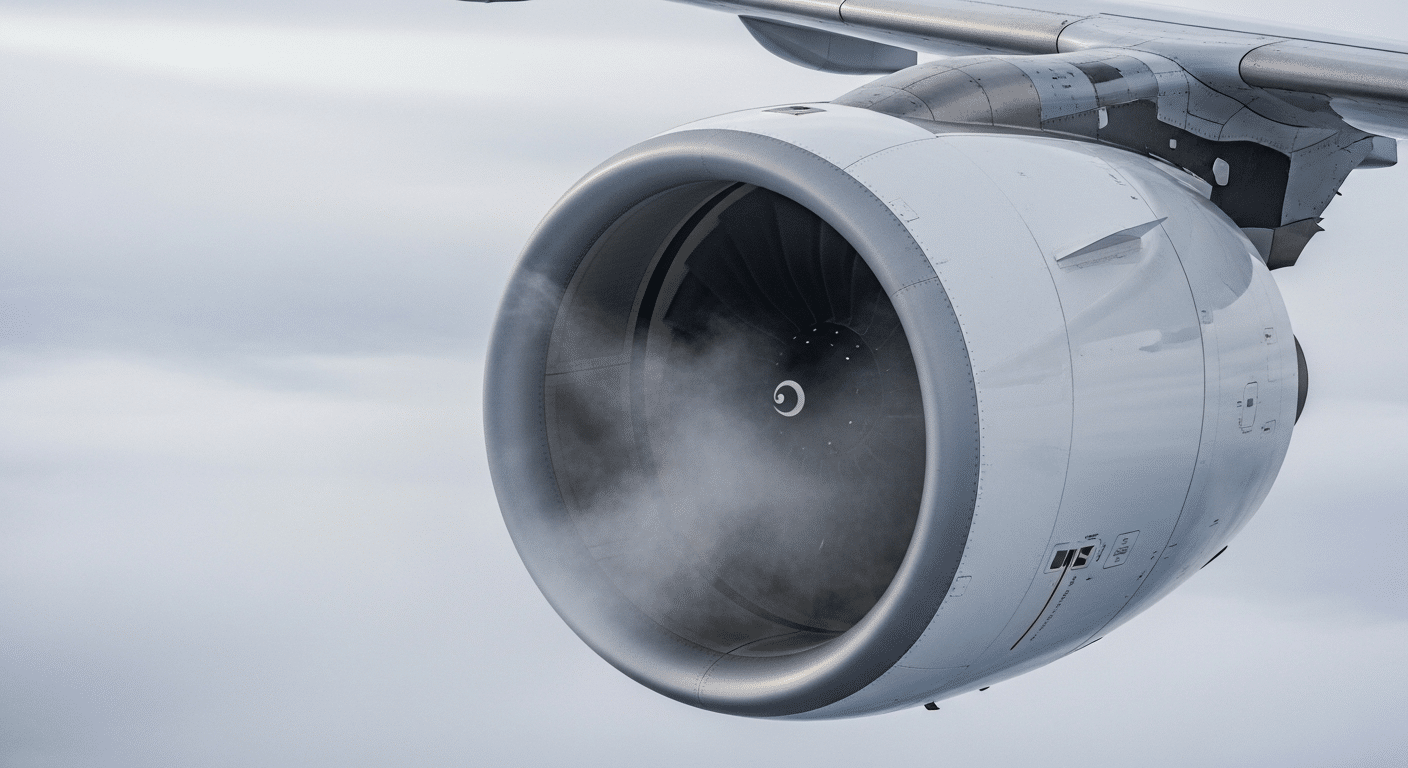
Each engine has an independently controlled anti-ice system. When selected, an anti-ice valve allows hot air to flow into the engine intake lip. The heated surface prevents ice from accumulating around the inlet.
Protecting the engine intake is essential because ice can:
- Disturb the airflow entering the engine
- Reduce engine efficiency
- Detach and enter the compressor
- Contribute to vibration, compressor disturbance or damage
Engine anti-ice does not heat the complete engine cowling or the entire nacelle. It is concentrated on the intake area where ice poses the greatest threat.
When is A320 engine anti-ice used?
Pilots select engine anti-ice according to the aircraft’s operational definition of icing conditions and the procedures contained in the approved manuals. The precise selection criteria may differ with aircraft standard, engine type and airline procedures.
Engine anti-ice is normally selected proactively when the specified icing conditions exist rather than only after a visible layer of ice has developed.
How Does the A320 Wing Anti-Ice System Work?
The Airbus A320 wing anti-ice system uses hot bleed air to heat slats 3, 4 and 5 on each wing. These are the three outboard leading-edge slats.
Bleed air is routed through a dedicated valve in each wing and distributed along the protected slats. Heating the internal surface raises the temperature of the slat skin and prevents significant ice accretion on the exposed leading edge.
Why does the A320 heat only three slats?
The complete wing does not require equal protection. Manufacturers determine through aerodynamic analysis and certification testing where ice accretion would have the most critical effect.
Heating only the required outboard slats:
- Reduces bleed-air demand
- Limits system weight and complexity
- Preserves engine efficiency
- Protects the aerodynamically critical wing area
The unheated portions of the leading edge are not an oversight. The protection layout reflects the aircraft’s certified aerodynamic design.
Does wing anti-ice remove existing ice?
The system is classified primarily as anti-ice protection. Heating may shed or melt limited existing contamination, but pilots operate the system according to approved procedures rather than using it as a general-purpose deicing tool.
Wing anti-ice operation on the ground is subject to specific system logic and procedural limitations. It should not be described simply as a system that pilots can leave on continuously whenever the aircraft is parked or taxiing.
A320 Probe Heat: Protecting Critical Flight Data
The A320’s air-data and angle-of-attack sensors are electrically heated to prevent ice contamination.
Protected components include:
- Pitot probes: Measure total pressure used in airspeed calculations.
- Static ports: Measure ambient static pressure used for altitude, vertical-speed and airspeed calculations.
- Angle-of-attack sensors: Measure the direction of the relative airflow in relation to the aircraft.
- Total-air-temperature probes: Measure temperature information used by aircraft systems and performance calculations.
These sensors do not need a visible layer of ice to become unreliable. A small obstruction, water ingress followed by freezing, or contamination around a sensing opening can corrupt the data supplied to aircraft computers.
For that reason, probe heating is highly automated. Its precise operating logic depends on whether the engines are running and whether the aircraft is on the ground or in flight.
A320 Windshield and Window Heating
The Airbus A320 cockpit windows use electrical heating. The heating system performs more than one function.
It helps:
- Prevent external ice formation
- Prevent internal fogging
- Maintain adequate cockpit visibility
- Support the window’s structural performance
Temperature regulation prevents uncontrolled overheating. The system uses sensing and control logic to maintain the windows within their intended temperature range.
Window heat is separate from the pneumatic engine and wing anti-ice systems. A bleed-air problem therefore does not automatically mean that cockpit window heating is lost.
Airbus A320 Rain Protection
Rain does not normally create the same aerodynamic threat as structural ice, but heavy precipitation can severely reduce forward visibility during takeoff, approach and landing.
The A320 is equipped with windshield wipers for the front cockpit windows. The pilots can select the required wiper operation according to conditions.
Depending on the aircraft’s configuration and modification status, additional rain-repellent provisions may be installed. Operators must follow the equipment and procedures applicable to their particular aircraft.
The heated cockpit windshield also assists visibility by preventing ice and external frost from forming on the protected glass.
How Does the A320 Detect Icing Conditions?
A320-family aircraft may be equipped with ice-detection probes that sense ice accretion and provide cockpit indications or alerts. These detectors support crew awareness, but they do not replace the operational definition of icing conditions.
Pilots assess several factors:
- Outside or total air temperature
- Visible moisture
- Precipitation
- Ice-detector indications
- Visual evidence of ice on the aircraft
- Engine and aircraft indications
- Weather reports and forecasts
A common misconception is that pilots always wait for an ice detector to trigger before selecting anti-ice. In many circumstances, the operating procedures require anti-ice based on temperature and visible moisture before a significant accumulation is detected.
Does Aircraft Anti-Ice Reduce Performance?
Yes. Thermal anti-ice protection requires energy, and that energy comes with a measurable performance cost.
When engine or wing anti-ice uses bleed air, part of the engine’s compressed airflow is diverted away from its primary propulsion and aircraft-conditioning functions. Engine control and aircraft systems compensate, but anti-ice operation can still affect:
- Available takeoff and climb performance
- Fuel flow
- Engine operating parameters
- Maximum permissible thrust settings
- Descent planning
- Landing performance calculations
Pilots account for these effects through approved performance calculations and operating procedures. The exact penalty depends on aircraft model, engine type, atmospheric conditions, phase of flight and which anti-ice systems are operating.
Why not keep all anti-ice systems on continuously?
Continuous unnecessary use would consume energy, increase fuel burn and may place avoidable thermal or pneumatic demand on the aircraft. Some systems also have ground-use restrictions or specific operating logic.
The correct approach is neither to avoid anti-ice to save fuel nor to use every system indiscriminately. Pilots apply the aircraft’s published criteria.
Ground Deicing and Anti-Icing
The onboard A320 ice-protection system does not make it acceptable to take off with frost, snow, slush or ice adhering to critical aircraft surfaces.
Before departure, the aircraft must comply with the clean-aircraft concept. Critical surfaces must be free from contamination that could affect performance or controllability.
Ground deicing
Ground deicing removes contamination already present on the aircraft. Heated Type I fluid is commonly used for this purpose, although the exact process depends on weather, airport facilities and operator procedures.
Ground anti-icing
Ground anti-icing applies fluid that temporarily delays the formation or accumulation of further contamination. Thickened Type II, III or IV fluids may be used where approved and appropriate.
The protection is limited by a holdover time. Holdover time is an estimate rather than a guarantee. It depends on factors including:
- Fluid type and concentration
- Outside-air temperature
- Type and intensity of precipitation
- Wind
- Aircraft skin temperature
- Exposure to jet blast or other contaminants
If the fluid has failed, the holdover time has expired, or the crew cannot confirm that the aircraft remains free of adhering contamination, additional inspection or treatment is required before takeoff.
A320 Basics, Limitations & SOPs
Complete A320 study guide by an Airbus pilot & instructor. Clear systems, logic & SOPs.
PDF • 365 pages • Lifetime updates
Common Misconceptions About the A320 Anti-Ice System
The entire A320 wing is heated
It is not. Wing anti-ice protects slats 3, 4 and 5 on each wing.
The A320 uses inflatable deicing boots
It does not. Its primary wing and engine protection uses hot bleed air.
Wing anti-ice also heats the horizontal stabilizer
The A320 does not use a conventional hot-air anti-ice system on the horizontal stabilizer. Its certified design does not require the entire tail and wing structure to be heated.
The pilots must see ice before switching anti-ice on
Not necessarily. Anti-ice is preventive, and procedures may require its use whenever defined icing conditions exist.
Ground anti-icing fluid protects the aircraft throughout the flight
It does not. Ground anti-icing fluid provides temporary protection before takeoff and is intended to flow off the aircraft during the takeoff roll.
Anti-ice has no effect on fuel consumption
Pneumatic anti-ice uses engine bleed air and therefore carries an efficiency and performance penalty.
Frequently Asked Questions
What is an aircraft anti-ice system?
An aircraft anti-ice system prevents ice from forming on critical aircraft surfaces or components. It may use hot engine bleed air, electrical heating or anti-freezing fluid, depending on the aircraft and the area being protected.
How does an aircraft anti-ice system work?
Thermal systems heat a surface above the temperature at which ice can adhere. Pneumatic thermal systems route hot engine bleed air to leading edges, while electrical systems use heating elements in probes, sensors, windows or other components.
What is the difference between anti-ice and deice?
Anti-ice prevents or limits ice formation. Deice removes ice, frost or snow that has already accumulated. Heated surfaces are commonly anti-ice systems, while inflatable boots and ground deicing fluids are examples of deicing methods.
Does the Airbus A320 use bleed air for anti-ice?
Yes. The A320 uses hot engine bleed air to protect the engine intake lips and wing slats 3, 4 and 5 on each wing.
Which parts of the A320 are electrically heated?
Electrically heated components include the pitot probes, static ports, angle-of-attack sensors, total-air-temperature probes, cockpit windows and drain masts.
Why are only three A320 wing slats heated?
Certification and aerodynamic analysis identify the outboard slats as the areas requiring thermal protection. Heating only those critical areas reduces bleed-air demand, system weight and fuel consumption.
Does the A320 have deicing boots?
No. The A320 does not use inflatable pneumatic boots. Its engine and wing anti-ice systems use hot bleed air.
Does anti-ice reduce engine thrust?
Anti-ice operation uses engine bleed air and affects available performance. Aircraft performance calculations account for anti-ice use during takeoff, climb, approach and landing as applicable.
Can an A320 take off with ice on its wings?
No. Critical aircraft surfaces must be free of adhering frost, snow, slush and ice before takeoff, except for narrowly defined allowances explicitly approved in the aircraft’s operating documentation.
Does the A320 automatically activate engine and wing anti-ice?
Probe and window heating incorporate automatic control logic, but pilots generally manage engine and wing anti-ice according to the applicable operating procedures and cockpit indications.
How do pilots know when icing conditions exist?
Pilots consider temperature, visible moisture, precipitation, weather information, visual ice accumulation and any ice-detector indications. The precise definition comes from the aircraft and operator manuals.
What protects the A320 windshield from rain?
The A320 uses windshield wipers for heavy rain. Electrically heated cockpit windows also prevent ice and fogging, while additional rain-repellent provisions may depend on aircraft configuration.
How the A320 Protects Itself from Ice
The Airbus A320 does not rely on one universal anti-ice device. It uses a coordinated set of pneumatic and electrical systems, each designed for a specific threat.
Hot bleed air protects the engine intake lips and the three outboard slats on each wing. Electrical heaters protect the flight-data probes, angle-of-attack sensors, cockpit windows and drain masts. Windshield wipers support forward visibility in heavy rain.
This targeted design protects the components that matter most without the weight and energy demand of heating the entire aircraft. For pilots, the key is to recognize icing conditions early, select the required protection according to approved procedures and remember that onboard anti-ice never replaces the requirement for a clean aircraft before takeoff.