The Airbus A320 hydraulic system consists of three independent hydraulic circuits operating at a nominal pressure of 3,000 psi. Understanding how the Green, Blue and Yellow systems work, how hydraulic power is distributed, and how the Power Transfer Unit (PTU) and Ram Air Turbine (RAT) provide redundancy is essential knowledge for A320 pilots, type-rating students […]
Category Archives: Airbus A320
Airbus A320 surveillance equipment covers two distinct areas of aircraft operation. The first is the airborne surveillance architecture used for air traffic control and collision avoidance, including Mode S transponders, Automatic Dependent Surveillance-Broadcast (ADS-B), and the Traffic Collision Avoidance System (TCAS). The second is the Cockpit Door Surveillance System (CDSS), which uses video cameras to […]
An aircraft anti-ice system prevents ice from forming on critical parts of an airplane. On the Airbus A320, hot engine bleed air protects the engine intakes and selected wing slats, while electrical heating protects the flight-data probes, cockpit windows and other vulnerable components. Ice protection is not designed to keep every visible part of the […]
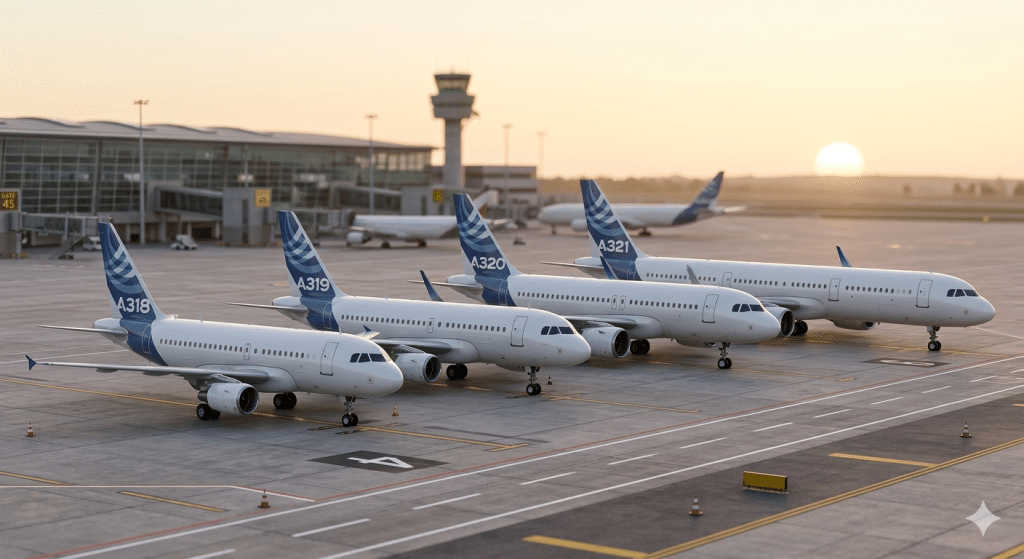
The Airbus A320 family is one of the most important groups of single-aisle aircraft in modern aviation. Airbus describes it as the most delivered aircraft ever, with more than 19,000 orders, more than 12,000 deliveries, and over 300 operators worldwide. First delivered in 1988, the family helped redefine short- and medium-haul flying with a common […]
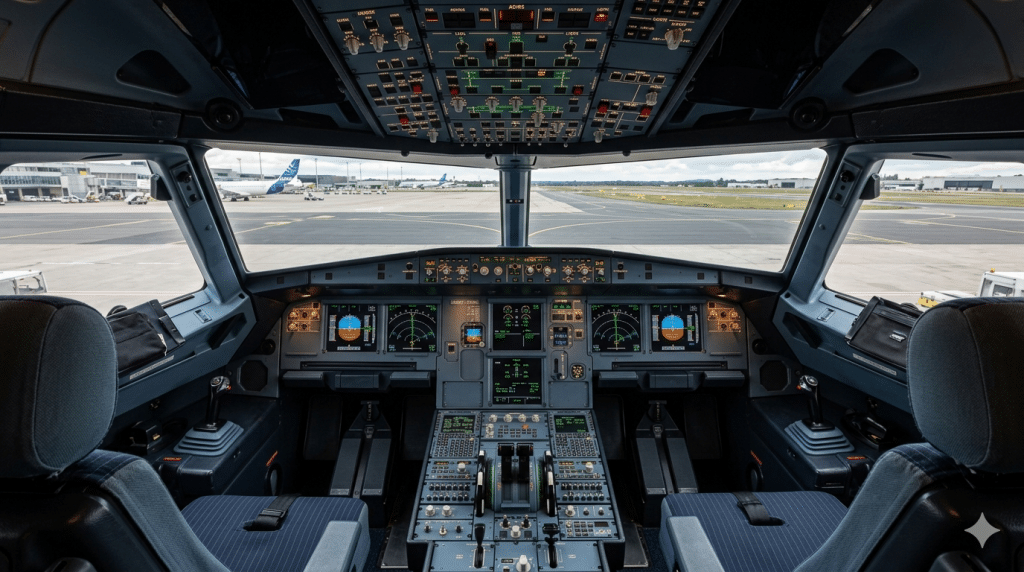
The Airbus A320 cockpit is one of the best-known flight decks in modern aviation. Designed for the A320 family, it combines a clean digital layout, side-stick controls, and fly-by-wire technology to help pilots manage flight efficiently. For many readers, the A320 cockpit stands out because it looks modern, organized, and highly standardized across the family. […]
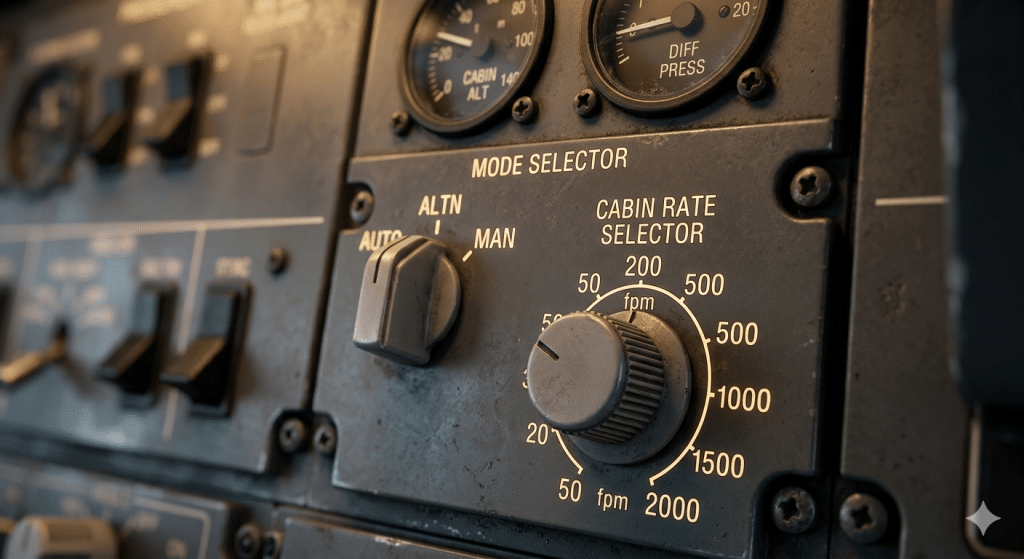
There’s a common belief that you’ll feel the same in any narrowbody jet, but the A320 vs 737 cabin pressurization systems handle cabin altitude control differently despite sharing the same objective: keeping passengers comfortable and physiologically safe at cruise. Both aircraft are designed to maintain cabin altitude at or below approximately 8,000 feet at their […]
The Airbus A320 is a narrow-body, twin-engine commercial aircraft developed by Airbus in the 1980s to compete with the Boeing 737. It first flew on February 22, 1987 and entered service in 1988, becoming the first airliner to introduce full digital fly-by-wire flight controls. The history of the Airbus A320 is the story of how […]
Airbus A320 Seat Map Explained The Airbus A320 is one of the most common short- to medium-haul aircraft in modern air travel, operating on thousands of routes worldwide. Built by Airbus, this aircraft is a core part of global airline fleets and is frequently used on busy domestic and regional flights. Having clear information about […]
The Airbus A320 specifications help explain why the A320 family became a dominant single-aisle aircraft in the aviation industry. This Airbus aircraft platform reshaped airline fleets with digital fly-by-wire flight controls, a side-stick interface, and strong commonality. As a result, A320s remain a top choice for airlines worldwide. Overview The Airbus A320 family was developed […]
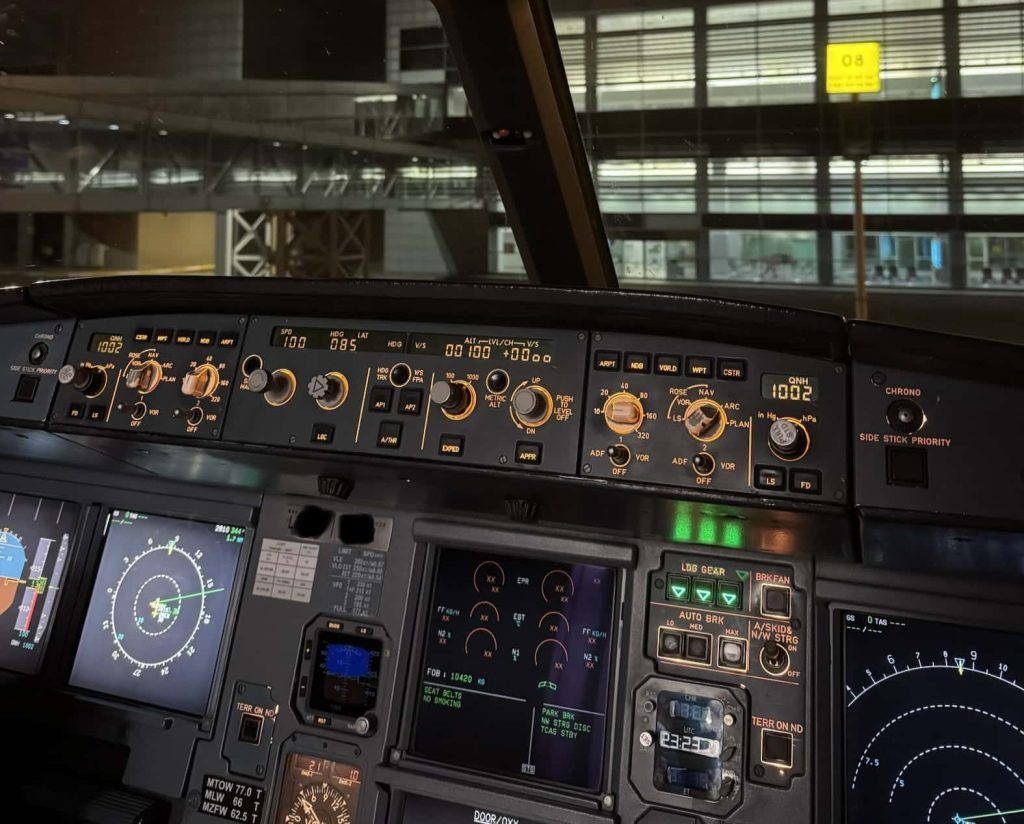
A320 Autoflight System ATA 22 FMGS • AP/FD • A/THR Managed vs Selected A320 Auto Flight Aviation The Airbus A320 auto flight (autoflight) system is built around the Flight Management and Guidance System (FMGS)—a core part of modern aviation automation described in ATA chapter 22. It combines the flight management system (planning + predictions), flight […]